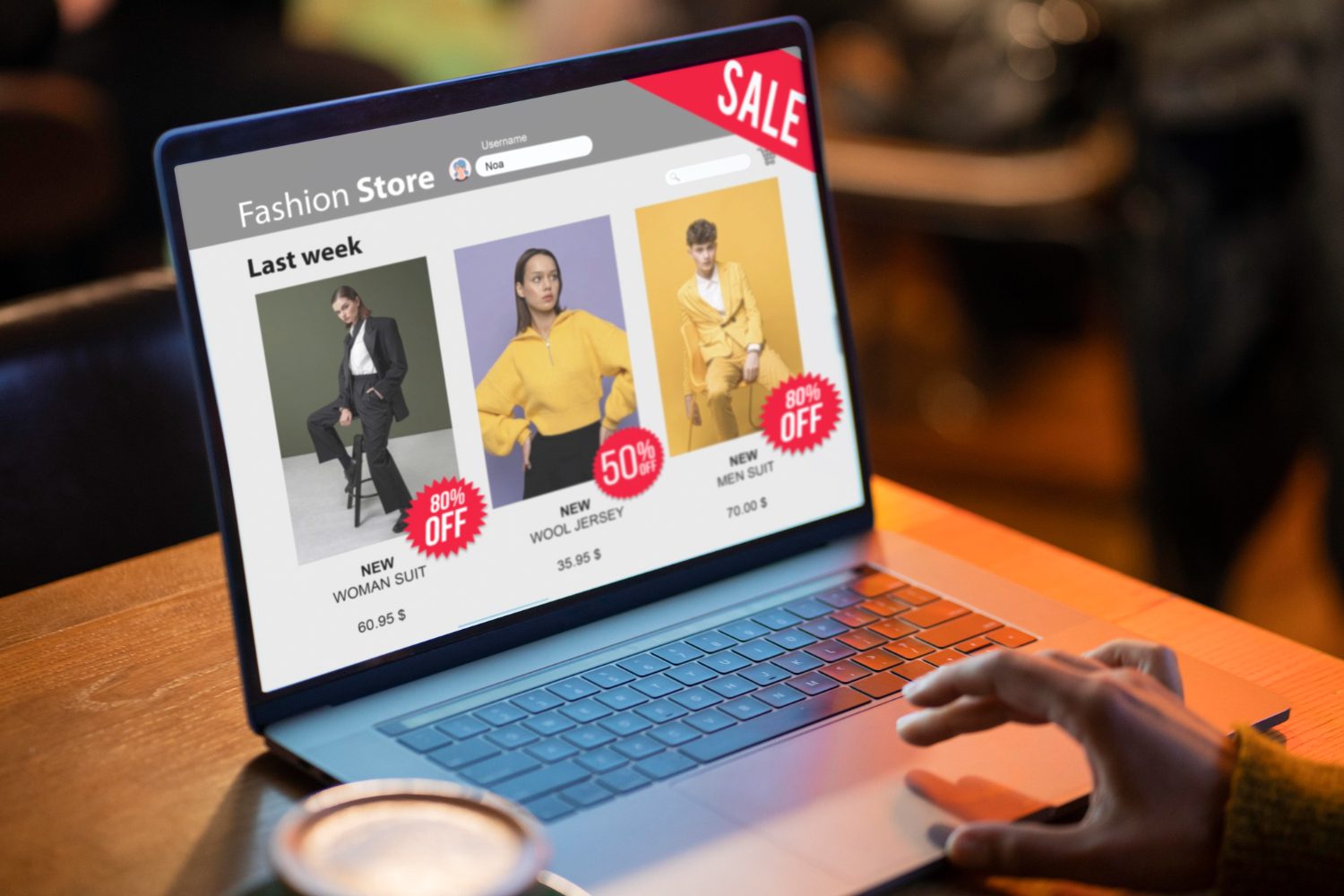
Want to build an online store in Uganda? Discover what drives the cost of an e-commerce website, typical price ranges, and how to budget wisely
Launching an online store is exciting, but many Ugandan business owners wonder: “How much will it cost?” Whether you’re in Kampala, Jinja, Mbarara or elsewhere in East Africa, the answer is: it depends.
With the right knowledge about what drives costs, you’ll be able to plan your budget smartly and avoid surprises. In this guide, we break down the major elements that influence the cost of an e-commerce website in Uganda, share typical price ranges, and give you working tips to move forward confidently.
1. Core Costs: Building the Foundation
Before looking at bells and whistles, let’s understand the basic expenses every online store must cover.
• Domain Name
Your domain is your online address; for example, yourshop.co.ug or yourbrand.com. In Uganda, a typical domain registration can range from around UGX 35,000 to UGX 100,000 annually depending on the extension (.com, .ug, .co.ug).
• Web Hosting
Hosting is where your website lives on the internet. Costs vary depending on traffic, speed and resources:
Shared hosting (good for small shops) might cost UGX 5,000–20,000 per month.
Dedicated or cloud hosting (for bigger traffic) can rise to UGX 50,000–250,000+ per month.
The choice affects speed, reliability and scalability.
• Security (SSL Certificate)
An SSL certificate ensures your customers’ data is encrypted and builds trust (especially important when accepting payments). In Uganda, an SSL certificate might cost UGX 5,000–50,000 per year depending on level and provider.
These core costs set up a strong foundation — but the real variation in budget comes from the features, design and ongoing work.
2. Choosing Your E-Commerce Platform
Your choice of platform plays a major role in cost, flexibility and speed to market.
• Marketplace / Multi-vendor Platforms
Using platforms like local online marketplaces or multi-vendor setups can be faster and less costly, but you may have less control over branding and customization.
• SaaS Platforms (Shopify, BigCommerce, etc.)
These provide user-friendly site building, apps and support, but monthly subscriptions and integrations with Ugandan payment/shipping services may add cost.
• Open-source / Custom Solutions (WooCommerce, Magento, etc.)
These offer the most flexibility and full ownership, but require more investment in design, development and maintenance.
In short: the more control and unique features you want, the higher the cost.
3. Features, Customisation & Complexity
This is where budgets diverge; two shops may look similar but cost differently if the features differ.
• Design Customisation
Basic theme or template customization: relatively low cost.
Fully custom design (brand-specific visuals, advanced layouts): higher cost.
• Functional Features
Examples that affect cost:
Product filters, wish-lists, advanced search.
Integrations: local mobile money (MTN, Airtel), Visa/Mastercard gateways.
Inventory management, multi-vendor support, loyalty systems.
Each added feature requires design/development time and thus raises cost
• Content & Copywriting
Creating compelling product descriptions, images, blogs and other content adds value but also cost.
• Payment & Shipping Integrations
Setting up reliable local payment gateways, shipping/logistics options in Uganda (or East Africa) can increase cost especially if custom work is required
4. Typical Price Ranges for Ugandan E-Commerce Websites
Based on the feature sets above, here’s a rough guide for Ugandan businesses
• Basic Store:
UGX 700,000 – UGX 1.5 million — small catalogue, standard theme, minimal features.
• Medium Store:
UGX 1.5 million – UGX 3 million — custom design, more products, better integrations.
• Advanced / Enterprise Store:
UGX 3 million+ — large catalogue, custom system, high traffic, advanced features.
Use these as a guideline, not a strict rule; each project is unique.
5. Ongoing Costs: Maintenance & Growth
Building your store is just the start but keeping it performing and driving sales is ongoing work.
• Maintenance & Updates:
Regular plugin/theme updates, backups, speed checks — budgets could range from UGX 10,000 – 300,000+ per month, depending on complexity.
• Marketing & SEO:
To attract traffic you’ll need search-engine optimisation, social media campaigns, content marketing — cost depends on scale.
• Hosting & Domain Renewals:
Over time you’ll pay for hosting, domain renewals, possibly upgrades as traffic grows.
Conclusion
If you’re ready to launch an online store in Uganda, now’s the time. By understanding the key costs, platform choice, features, design, integrations and ongoing support, you’ll be able to pick the right budget, get value for your investment and grow your business online.
At The Hike Agency, we specialise in designing and developing e-commerce websites tailored for Ugandan and East African markets transparent pricing, strong local support and long-term partnerships.